


Release time:2020-01-16 18:44 Browse:
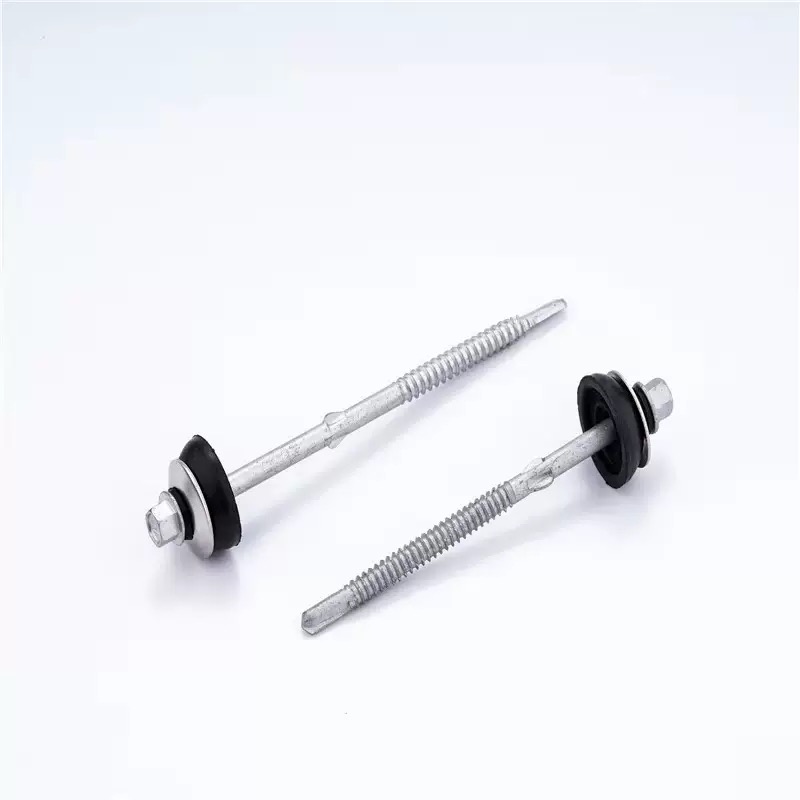
For coastal buildings, 316L stainless steel self-tapping screws are recommended primarily because the chloride ions (salt) in the coastal environment dramatically accelerate the corrosion of ordinary metals, while 316L, thanks to its special chemical composition, can effectively resist this kind of attack.
Why must it be 316L rather than 304?
Coastal air is rich in salt spray, and the chloride ions in it are the culprit behind metal rusting. Although ordinary 304 stainless steel performs well against rust in everyday conditions, it is highly prone to pitting corrosion and crevice corrosion in chloride-rich environments.
316L stainless steel was developed specifically to combat this kind of environment, and its advantages are reflected in two aspects:
The addition of molybdenum (Mo): This is the key to 316L's corrosion resistance. Molybdenum can significantly enhance the steel's ability to resist chloride ion attack, giving it far better performance than 304 in marine atmospheres.
The "L" stands for low carbon: The low carbon content reduces the risk of carbide precipitation during welding or processing, preventing intergranular corrosion and making the structure more stable and suitable for long-term outdoor use.
Experimental data shows that in simulated salt-damage environments, 316L's corrosion resistance is approximately 1.5 to 1.8 times that of 304. In practical applications, engineering case feedback indicates that in coastal cities, 304 screws may need to be replaced within three to five years, while 316L can last more than 15 years.
Why is the self-tapping form recommended?
In addition to the material, the choice of the self-tapping form is mainly for construction efficiency and connection strength.
The tip of a self-tapping screw has a built-in drill function, allowing it to directly penetrate thinner steel plates or wood without the need for pre-drilling, greatly saving installation time. At the same time, its thread design allows it to bite tightly into the material, still providing a firm fastening force when exposed to strong winds outdoors (such as typhoons), preventing the structure from loosening.
Therefore, in the "three-high" environment of coastal buildings—high salt, high humidity, and high wind pressure—316L material provides long-lasting corrosion resistance, while the self-tapping design combines ease of construction with a secure connection, making it a choice that balances safety and durability.